
What Does Periodontology Cover?
Periodontology focuses on the prevention, diagnosis, and treatment of conditions affecting the gums, periodontal ligament, and jawbone around the teeth. These structures keep natural teeth stable and help dental implants function properly.
Gingivitis represents the earliest stage of gum disease. It often causes redness, swelling, tenderness, and bleeding during brushing. Professional cleaning and effective daily oral care can usually reverse gingivitis.
Periodontitis develops when inflammation reaches deeper supporting tissues. The gums may pull away from the teeth, creating pockets where bacterial plaque and calculus accumulate. Without appropriate treatment, the disease can damage the periodontal ligament and supporting bone. Advanced cases may cause tooth mobility, changes in the bite, gum abscesses, or tooth loss. Even after successful treatment, patients with a history of periodontitis need regular supportive care because the condition can return.
When Should You Consult a Periodontist in Turkey?
Gum disease does not always cause significant pain during its early stages. For this reason, patients should not wait for severe discomfort before arranging an examination.
Common warning signs include bleeding gums, persistent bad breath, gum recession, swollen tissue, sensitivity around exposed roots, loose teeth, pus around the gum line, discomfort while chewing, and spaces developing between teeth. Patients may also notice that their teeth look longer because the gum tissue has moved away from the original position.
People with diabetes, a history of periodontal disease, extensive dental restorations, dental implants, or tobacco use may require closer monitoring. Hormonal changes, certain medications, dry mouth, genetic susceptibility, and inconsistent oral hygiene can also influence periodontal health. A comprehensive consultation allows the periodontist to identify these factors before selecting treatment.
Periodontal Diagnosis and Treatment Planning
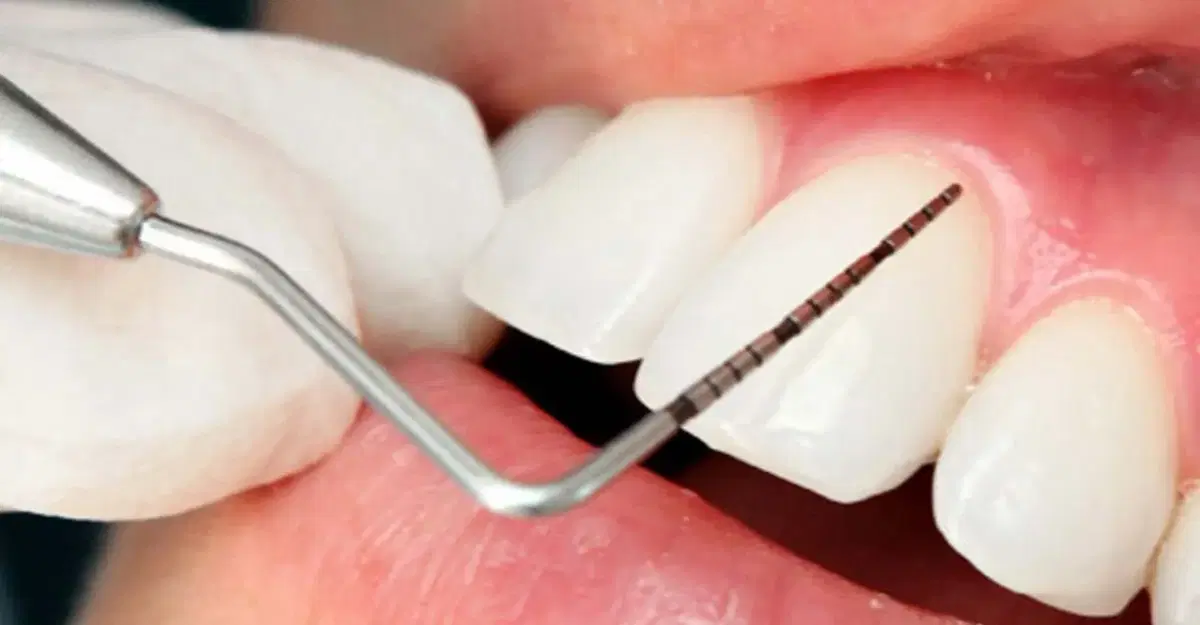
A periodontal assessment usually begins with a detailed dental and medical history. The clinician examines each tooth, checks gum colour and texture, records bleeding, measures pocket depth, evaluates mobility, and studies the patient’s bite.
Dental imaging helps the specialist review the bone around the teeth and identify areas of bone loss. In complex cases, three-dimensional imaging may support implant planning, regenerative treatment, or the assessment of anatomical structures.
The periodontist then classifies the disease according to its severity, extent, and likely rate of progression. This structured process helps the clinical team decide whether the patient needs non-surgical therapy, periodontal surgery, regenerative treatment, or a combined approach. It also creates a baseline for measuring improvement after treatment.
Non-Surgical Periodontal Treatment
Non-surgical care often forms the first stage of gum disease treatment in Turkey. The main procedure involves scaling and root planing, sometimes described as deep gum cleaning.
During treatment, the clinician removes bacterial plaque and hardened calculus from tooth surfaces above and below the gum line. Root planing smooths contaminated root surfaces and creates conditions that support gum healing. The dental team may divide treatment into several appointments, depending on the number of affected areas and the depth of the periodontal pockets.
Local anaesthesia can improve comfort when the specialist treats sensitive or deep areas. The periodontist may also recommend targeted antimicrobial products in selected cases. However, professional judgement and the patient’s individual needs should guide the use of additional therapies.
After the initial treatment, the gums need time to respond. The specialist reassesses pocket depths, bleeding levels, plaque control, and tissue condition. Many patients achieve significant improvement through non-surgical therapy and effective home care. Others require additional treatment in areas where deep pockets or complex bone defects remain.
Periodontal Surgery in Turkey
Periodontal surgery can improve access to deep areas that do not respond adequately to non-surgical treatment. The periodontist carefully lifts the gum tissue, removes deposits and inflamed tissue, cleans the root surfaces, and reshapes the area when necessary. The specialist then positions and secures the gums to support healing and improve daily cleaning.
Pocket reduction procedures can make affected areas easier to maintain. In selected cases, the clinician may combine surgery with regenerative materials to encourage the body to rebuild some of the supporting tissue lost through periodontal disease.
The need for surgery depends on pocket depth, bone anatomy, tooth position, disease activity, and the patient’s ability to control plaque. A responsible treatment plan always prioritises tooth preservation when the prognosis remains favourable.
Gum Grafting for Receding Gums
Gum recession exposes the tooth root and can affect appearance, comfort, and root protection. Patients may experience sensitivity when consuming hot or cold food, while exposed roots can become more vulnerable to wear and decay.
A gum graft adds tissue to areas with insufficient coverage. The periodontist may use tissue from the patient’s palate, tissue from a nearby area, or another clinically appropriate grafting material. The selected technique depends on the recession pattern, tissue thickness, tooth position, and cosmetic expectations.
Gum grafting can cover part or all of an exposed root, increase tissue thickness, improve the gum line, and reduce the risk of further recession. Results vary according to anatomy and healing capacity, so the consultation should include a realistic discussion of expected coverage.
Regenerative Periodontal Procedures
Periodontal disease can create defects in the bone around natural teeth. Regenerative treatment aims to support the rebuilding of lost periodontal structures in suitable cases.
The procedure may involve bone graft materials, protective membranes, or biologically active products. The periodontist places the selected material after cleaning the affected root and bone defect. Careful case selection plays a major role because not every pattern of bone loss responds in the same way.
Regenerative therapy may improve tooth support, reduce pocket depth, and help preserve a tooth that would otherwise have a less predictable prognosis. The clinician should evaluate oral hygiene, smoking, diabetes control, defect anatomy, and tooth stability before recommending this approach.
Periodontology and Dental Implants
Healthy gums and adequate bone provide the foundation for successful implant treatment. A periodontal examination can identify active infection, gum recession, insufficient tissue thickness, or bone loss before implant placement.
Patients with untreated periodontitis should generally control the disease before beginning implant therapy. The treatment sequence may include deep cleaning, periodontal surgery, bone grafting, or soft-tissue grafting. This approach creates a healthier environment for implant placement and future maintenance.
Periodontists also diagnose and manage inflammation around existing implants. Early inflammation may affect the soft tissue, while more advanced disease can damage the supporting bone. Professional cleaning, improved plaque control, surgical access, and regenerative techniques may form part of the treatment, depending on the severity of the condition.
Why Patients Consider Periodontology in Turkey
Periodontology in Turkey attracts international patients who want specialist-led gum care combined with modern diagnostic and surgical options. Clinics in cities such as Istanbul, Antalya, Izmir, and Ankara may offer periodontal treatment alongside implantology, restorative dentistry, oral surgery, and prosthodontics.
A multidisciplinary structure can benefit patients who need more than one procedure. For example, a person with severe gum disease may require infection control, tooth extraction, bone regeneration, implant placement, and a final dental restoration. Coordinated planning helps the clinical team establish the correct treatment order and avoid decisions that could compromise periodontal stability.
International patients should confirm that the chosen facility holds the required authorisation to provide health tourism services. Current regulations also place accreditation or certification obligations on authorised healthcare facilities within defined implementation periods.
How Much Does Periodontal Treatment Cost in Turkey?
The cost of periodontal treatment in Turkey depends on the diagnosis rather than a single standard fee. Non-surgical cleaning for one area will not carry the same cost as full-mouth treatment, gum grafting, bone regeneration, or surgery involving several teeth.
The final price may depend on the number of affected areas, treatment complexity, imaging requirements, anaesthesia, graft materials, medication, laboratory services, and the number of follow-up appointments. Implant-related procedures can add further costs when the patient requires bone or soft-tissue preparation.
Patients should request a written treatment plan that separates essential periodontal care from optional cosmetic or restorative procedures. The document should explain the planned stages, expected appointment schedule, materials, aftercare, and potential additional treatment.
Recovery and Aftercare
Recovery varies according to the procedure. Patients usually return to routine activities quickly after non-surgical cleaning, although temporary sensitivity or mild gum tenderness may occur.
Surgical treatment requires more careful aftercare. The periodontist may advise a soft diet, gentle cleaning around the treated area, prescribed medication, and temporary avoidance of strenuous activity. Smoking can interfere with healing and reduce the predictability of periodontal treatment, so patients should discuss cessation support before surgery.
Patients travelling from abroad should allow enough time for clinical review before leaving Turkey. The treating clinic should provide written instructions and communicate relevant information to the patient’s local dentist when further monitoring will take place at home.
Choosing a Periodontist in Turkey
Patients should review the clinician’s periodontal qualifications, experience with the proposed procedure, diagnostic process, infection-control standards, and approach to follow-up care. Before accepting treatment, they should understand the diagnosis, available alternatives, expected benefits, possible complications, healing period, and long-term maintenance requirements.
Reliable periodontal care does not begin with a predetermined package. It begins with an examination and a personalised plan. Patients should be cautious when a provider promises guaranteed results before reviewing clinical records and imaging.
Clear communication also matters. The clinic should explain each stage in accessible English, provide written financial information, maintain complete treatment records, and offer a practical contact route for post-treatment concerns.
Long-Term Periodontal Maintenance
Active treatment controls disease, but maintenance protects the result. A personalised periodontal maintenance programme may include professional cleaning, pocket measurements, gum assessment, implant checks, bite evaluation, and reinforcement of home-care techniques.
The recommended interval depends on the patient’s risk profile. People with previous bone loss, smoking habits, diabetes, difficult-to-clean restorations, or implant complications may need more frequent visits.
Daily plaque control remains essential. Patients should brush thoroughly, clean between the teeth with suitable interdental products, and follow specific instructions for implants, bridges, or grafted areas. Consistent maintenance helps reduce inflammation, identify recurrence early, and protect both natural teeth and dental implants.
Periodontology in Turkey can provide a comprehensive route from diagnosis to long-term gum stability. The strongest outcomes come from evidence-based treatment, realistic planning, qualified specialist care, and a commitment to maintenance after the patient returns home.