
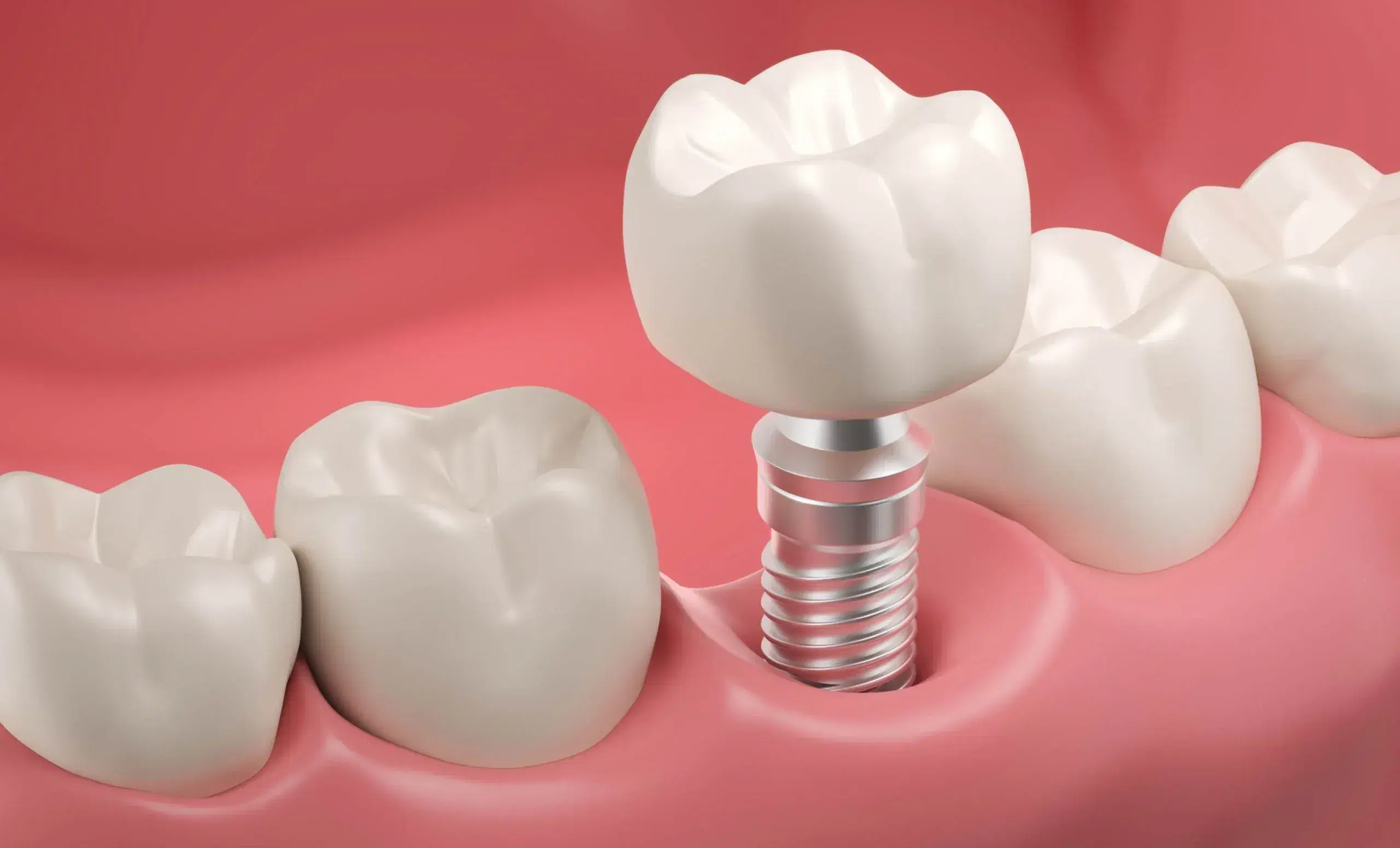
Same day tooth extraction and implant treatment can replace a failing tooth during one carefully planned appointment.
The dentist removes the damaged tooth and places an implant into the fresh socket. This approach may reduce waiting periods and additional surgeries.
For suitable patients, same day tooth extraction and implant care offers a convenient route toward a complete smile.
However, immediate placement does not suit every dental condition. Strong bone, healthy tissues, and precise planning remain essential.
Patients also need realistic expectations about temporary teeth and healing. The permanent crown usually arrives after the implant becomes stable.
Understanding each stage helps patients discuss treatment confidently. It also prevents confusion about what “same day” actually promises.
What Does Same Day Tooth Extraction and Implant Mean?
Same day treatment means the dentist extracts a tooth and places an implant during the same surgical visit.
The implant acts as an artificial tooth root. It usually consists of biocompatible titanium or another suitable implant material.
The dentist positions it inside the jawbone. The surrounding bone then heals and bonds around its surface.
This healing process is called osseointegration. It creates the stable foundation needed for a future dental crown.
Immediate placement differs from delayed implant treatment. Delayed treatment allows the extraction socket to heal before implant surgery.
That waiting period may last several weeks or months. The timing depends on bone quality and the treatment plan.
Immediate placement removes that separate waiting stage. However, the implant still needs time to integrate with the bone.
Does Same Day Treatment Include a Permanent Tooth?
Same day implant placement does not always include a permanent crown. These are two separate stages within implant treatment.
Some patients receive a temporary crown immediately. Others receive a healing cap or temporary removable tooth.
The dentist must achieve strong initial implant stability before attaching a fixed temporary crown.
A temporary crown should protect appearance without placing harmful pressure on the implant. Patients must avoid biting hard foods there.
The permanent crown usually arrives after sufficient healing. This process often takes several months.
The dentist checks implant stability before completing the final restoration. Rushing this stage could disturb the developing bone connection.
Patients should ask whether their plan includes immediate placement, immediate loading, or both. These terms describe different procedures.
Who May Qualify for an Immediate Dental Implant?
A suitable candidate usually has enough healthy bone around the extraction site. The implant needs firm support during placement.
The socket walls should also remain reasonably intact. Severe bone damage can make immediate positioning less predictable.
Healthy gum tissue supports cleaner healing and attractive results. Active gum disease requires careful management before implant treatment.
Good general health also matters. Certain medical conditions may affect healing, bleeding, or infection risk.
Controlled health conditions do not always prevent treatment. The dental team should review every condition and medication carefully.
Smoking can slow tissue healing and increase implant complications. Patients should discuss smoking habits honestly before surgery.
Teeth grinding may place excessive pressure on a temporary restoration. A protective night guard could become necessary.
The final decision requires clinical examination and dental imaging. Appearance alone cannot confirm implant suitability.
When Is Delayed Implant Placement Safer?
Delayed placement may offer better control when the socket lacks enough supporting bone.
Severe infection can also change the treatment plan. The dentist must remove infected tissue and evaluate the remaining structures.
Large bone defects may require socket preservation or bone grafting. Healing can create a stronger foundation for later placement.
Very thin gum tissue may increase recession risks around front teeth. Staged treatment can improve tissue thickness and stability.
A damaged facial bone wall can affect the final gum shape. The dentist may recommend early or delayed placement instead.
Delayed treatment does not represent failure or inferior care. It often protects the long-term result.
The safest timing depends on anatomy, health, and cosmetic expectations. An experienced clinician should select the appropriate approach.
How the Same Day Procedure Works
Treatment begins with a detailed consultation. The dentist reviews dental health, medical history, medications, and personal goals.
Dental X-rays show tooth roots and surrounding bone. Three-dimensional imaging may reveal additional anatomical details.
The dentist plans the implant’s position, width, length, and angle. Precise positioning supports function and natural appearance.
During surgery, local anaesthesia numbs the treatment area. Sedation may also help anxious patients or complex cases.
The dentist removes the damaged tooth carefully. Gentle extraction helps preserve the surrounding socket walls.
The socket then receives thorough cleaning. The clinician removes unhealthy tissue and checks the remaining bone.
Next, the dentist prepares a precise channel within the socket. The implant enters this prepared position.
The clinician tests the implant’s initial stability. Strong stability may support an immediate temporary crown.
A bone graft may fill spaces around the implant. The graft supports the natural contour during healing.
Finally, the dentist places a healing cap or temporary restoration. Sutures may protect the gum tissue.
Why Careful Implant Positioning Matters
An implant cannot simply follow the original tooth root. The ideal implant position may differ from that root.
The dentist must consider future crown shape and bite forces. Poor positioning can create cosmetic and functional problems.
An implant placed too far forward may cause gum recession. It can also create an unnatural crown profile.
An implant placed too deeply may complicate cleaning. Shallow positioning can expose metal or restoration edges.
Front teeth require especially careful planning. Small positioning errors become more noticeable within the smile line.
Accurate digital planning may improve surgical control. However, clinical experience remains important during every procedure.
Benefits of Same Day Implant Placement
Immediate placement can reduce the total number of surgical appointments. Patients avoid a separate implant operation after extraction healing.
The shorter timeline often appeals to busy patients. It may also reduce disruptions involving work or travel.
Immediate treatment can support the extraction socket’s general shape. However, normal bone remodelling still occurs after tooth removal.
A temporary tooth may preserve confidence during healing. This advantage becomes especially valuable for visible front teeth.
The procedure may also reduce repeated anaesthesia and recovery periods. One surgical appointment can replace two separate visits.
Patients still need follow-up appointments and restorative work. Therefore, same day treatment does not mean one-day completion.
Possible Risks and Limitations
Every dental implant procedure carries potential complications. Immediate placement requires particularly careful case selection and surgical control.
The implant may fail to bond with the bone. Excessive movement, infection, smoking, or weak bone can contribute.
Gum recession may expose part of the implant restoration. This concern matters greatly around upper front teeth.
Bone naturally changes after an extraction. Immediate placement cannot completely stop that biological process.
A temporary crown may loosen or fracture. Biting pressure can also disturb the implant during early healing.
Infection may develop around the surgical site. Careful cleaning and professional monitoring help reduce this risk.
Nearby nerves, teeth, or sinus spaces require protection. Detailed imaging helps the dentist identify these structures.
Some patients eventually need additional grafting or corrective treatment. Honest planning should include these possibilities.
Bone Grafting During Immediate Implant Placement
A fresh extraction socket rarely matches the implant’s exact shape. Small spaces may remain around the implant surface.
The dentist may place grafting material within those spaces. This material supports healing and helps maintain the ridge contour.
A minor graft does not always delay treatment. The implant and graft can often heal together.
Larger defects may require a staged approach. The dentist might rebuild the area before placing an implant.
Front teeth often have thin outer bone walls. These sites may need additional bone or soft tissue support.
Grafting does not guarantee perfect tissue preservation. Natural remodelling still continues during healing.
The clinician should explain the graft’s purpose, material, cost, and expected recovery before surgery.
Front Teeth Versus Back Teeth
Front tooth implants involve strong cosmetic expectations. Gum level, tissue thickness, and crown shape influence the final appearance.
A temporary front tooth can protect confidence during healing. It should avoid heavy contact during biting.
Back teeth receive stronger chewing forces. Immediate temporary crowns may therefore require stricter limitations.
Molar sockets also contain several root spaces. The dentist must find enough central bone for stable implant placement.
Anatomy differs between every tooth and patient. Treatment timing should reflect the individual site.
No single method works equally well throughout the mouth. Personalised planning remains essential.
Recovery After Same Day Tooth Extraction and Implant Surgery
Mild discomfort, swelling, and bruising may follow treatment. These symptoms usually improve as the tissues begin healing.
Patients should follow the prescribed pain-management plan. They should never exceed recommended medication doses.
A cold compress may reduce early swelling. The dental team should explain the correct timing and method.
Soft foods protect the surgical area during early recovery. Patients should avoid chewing directly on the implant site.
Very hot foods may irritate sensitive tissues. Hard, sticky, and crunchy foods may damage temporary restorations.
Gentle oral hygiene remains important. The dentist may recommend a specific toothbrush or antimicrobial rinse.
Patients should not disturb the area with fingers or tongues. Repeated pressure can irritate the healing gum.
Smoking can impair blood flow and tissue repair. Avoiding tobacco supports safer healing and implant integration.
Follow-up visits allow the dentist to monitor stability. These appointments remain essential even when recovery feels comfortable.
Warning Signs After the Procedure
Some discomfort after surgery remains normal. Increasing pain may indicate a problem requiring professional assessment.
Persistent bleeding also needs attention. Patients should follow the clinic’s instructions before applying additional pressure.
Growing swelling, fever, or unpleasant drainage may suggest infection. The dental team should review these symptoms promptly.
A loose temporary crown requires professional repair. Patients should not attempt home adjustments or adhesives.
Implant movement needs urgent evaluation. A healing implant should not feel loose within the bone.
Numbness lasting longer than expected also deserves attention. The treating clinician can assess possible nerve irritation.
Early communication often prevents minor problems from worsening. Patients should keep the clinic’s emergency contact details available.
How Long Does the Implant Need to Heal?
The implant needs time to form a stable biological connection with the jawbone.
Healing speed varies between patients and treatment sites. Bone density, grafting, health, and bite pressure influence progress.
Many implants heal over several months. The dentist measures stability before fitting the permanent crown.
A temporary tooth does not mean healing has finished. Patients must continue protecting the implant during integration.
The final restoration begins after the clinician confirms sufficient stability. This decision should follow clinical evidence, not convenience.
Complex grafting may extend the overall timeline. Individual treatment plans should include realistic recovery milestones.
How Long Can a Dental Implant Last?
A well-planned implant can function for many years. Long-term results depend on hygiene, health, and regular dental care.
The implant body and dental crown have different lifespans. Crowns may wear or fracture before the implant requires replacement.
Daily brushing removes plaque around the gum line. Special floss or interdental brushes may clean difficult areas.
Regular examinations help detect inflammation, bone changes, and bite problems. Early treatment can protect the implant.
Smoking and uncontrolled gum disease increase long-term concerns. Teeth grinding may also damage implant components.
Implants cannot develop tooth decay. However, surrounding gums and bone can still become inflamed.
Good maintenance remains necessary throughout the implant’s life.
Same Day Implant Costs
Same day implant costs vary between clinics, locations, and case complexity.
The total fee may include extraction, imaging, surgery, grafting, sedation, and temporary restoration.
The abutment and permanent crown may appear as separate charges. Patients should request a complete written estimate.
Additional grafting can increase the total cost. Specialist treatment may also carry higher professional fees.
Insurance coverage varies widely. Some plans cover extraction while excluding implant components.
Patients should compare treatment quality, clinician experience, and aftercare. Price alone cannot reveal the plan’s long-term value.
Preparing for the Appointment
Patients should provide a complete medication list. This list should include supplements and non-prescription products.
The dentist also needs information about allergies and medical conditions. Honest details support safer treatment planning.
Patients may need to arrange transport after sedation. The clinic should provide clear fasting instructions beforehand.
Comfortable clothing can make a longer appointment easier. Patients should also plan a quiet recovery period.
The kitchen should contain suitable soft foods before surgery. Useful options include yoghurt, eggs, soups, and mashed vegetables.
Smoking reduction should begin as early as possible. The dental team can discuss practical support.
Patients should review every consent document carefully. Questions deserve clear answers before treatment begins.
Frequently Asked Questions
Is Same Day Tooth Extraction and Implant Treatment Painful?
Local anaesthesia prevents pain during the procedure. Patients may feel pressure or movement during the extraction.
Mild soreness can develop after the anaesthesia fades. Prescribed or recommended medication usually helps manage early discomfort.
Pain that becomes stronger requires dental assessment.
Can an Infected Tooth Receive an Immediate Implant?
Some controlled infection cases may allow immediate placement. The dentist must remove infected tissue thoroughly.
The remaining bone must also provide strong implant stability. Extensive infection or bone loss may require delayed treatment.
Only clinical examination and imaging can determine suitability.
Can Patients Eat After Same Day Implant Surgery?
Patients can usually eat soft foods after the anaesthesia wears off. They should avoid biting the treated area.
Hard and sticky foods may disturb the implant. Hot foods can also irritate sensitive tissues.
The dental team should provide personalised eating instructions.
Will Patients Leave With a Tooth?
Some patients receive a fixed temporary crown. Others receive a removable temporary tooth or healing cap.
The choice depends on implant stability, location, and bite forces. Immediate permanent crowns remain uncommon.
The final crown usually follows successful healing.
Can Smokers Have Same Day Dental Implants?
Smoking does not always prevent implant treatment. However, it can increase healing problems and implant failure risks.
The dentist may recommend stopping before surgery. Continued avoidance also supports long-term gum and bone health.
Patients should discuss tobacco use openly.
What Happens When the Implant Lacks Stability?
The dentist may avoid attaching an immediate temporary crown. A healing cap or removable option may protect the implant.
Severe instability can require a different treatment plan. The clinician may graft the socket and place an implant later.
Safety should take priority over same-day convenience.
Is Immediate Placement Better Than Delayed Placement?
Neither approach suits every patient. Immediate placement offers convenience when anatomy and health support predictable treatment.
Delayed placement provides healing time and may simplify difficult sites. It can improve control after major infection or bone loss.
The better option depends on individual clinical findings.