
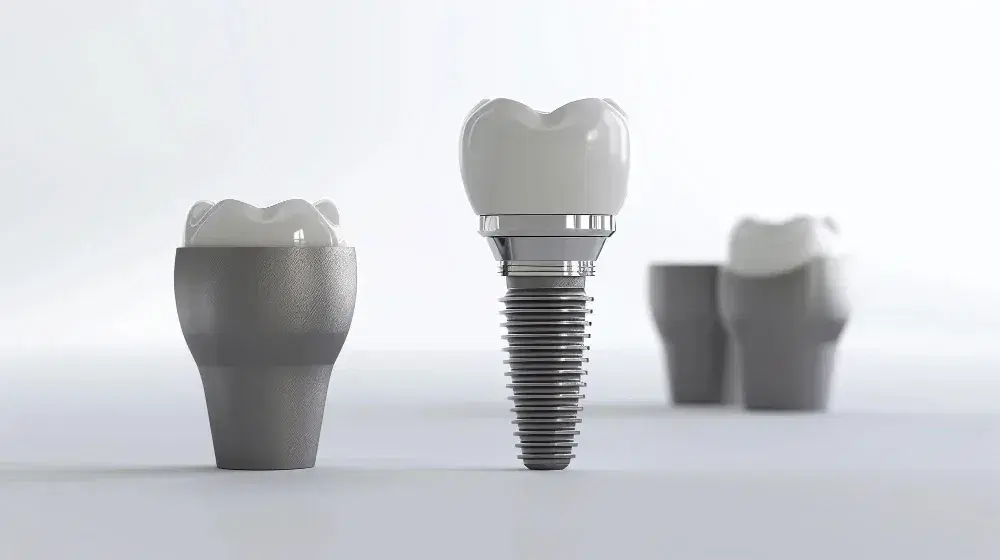
Endosteal implant treatment replaces a missing tooth by anchoring an artificial root directly inside the jawbone. This method provides firm support for a natural-looking restoration.
An endosteal implant can support one crown, a bridge, or a complete denture. Dentists use this option more often than other dental implant designs.
The implant usually has a small, root-shaped body. Its threaded surface helps create stability within the surrounding bone.
Treatment involves surgery, healing, and restorative dental work. Careful planning helps protect comfort, appearance, and long-term function.
What Is an Endosteal Implant?
An endosteal dental implant sits within the upper or lower jawbone. The term “endosteal” describes its position inside bone.
Most modern implants have a cylindrical or tapered shape. Many designs resemble the natural root of a tooth.
The implant body creates a foundation for the visible replacement tooth. An abutment connects that body with the final restoration.
Dentists can use one implant for a single missing tooth. Several implants can also support bridges or full-arch restorations.
What Materials Are Used for Endosteal Implants?
Manufacturers commonly produce implant bodies from titanium or titanium alloys. Titanium offers strength, durability, and excellent compatibility with bone.
Some systems use zirconia instead. Zirconia provides a metal-free option with a tooth-coloured appearance.
Each material has specific clinical advantages. Your dentist should select a material that suits your anatomy and restoration.
The crown may contain ceramic, zirconia, porcelain, or another dental material. Crown selection depends on location, appearance, and biting forces.
How Does an Endosteal Implant Work?
The implant replaces the root section of a missing tooth. It transfers chewing pressure into the jawbone during daily use.
Bone gradually forms a close connection around the implant surface. Dentists call this biological process osseointegration.
Osseointegration helps the implant remain stable during chewing. However, the healing process requires patience and careful protection.
After healing, the dentist connects an abutment and restoration. The completed tooth should provide comfortable and balanced function.
What Can an Endosteal Implant Replace?
A single implant can replace one missing tooth. This approach avoids preparing healthy neighbouring teeth for a traditional bridge.
Two or more implants may support a larger dental bridge. The final number depends on the missing area and available bone.
Endosteal implants can also stabilize removable dentures. Special attachments help reduce movement during eating and speaking.
Fixed full-arch bridges may rely on several implants. These restorations replace all teeth within one dental arch.
Who May Qualify for Endosteal Implant Treatment?
Many adults with missing teeth may qualify for treatment. However, each patient needs a detailed clinical assessment.
You need enough healthy jawbone to support the implant. Bone quality also affects early stability and treatment planning.
Healthy gum tissue creates a better environment for healing. Your dentist should control active gum disease before implant surgery.
Your general health also influences recovery. Certain medical conditions may affect bleeding, infection risk, or bone healing.
Good candidates follow cleaning and maintenance instructions consistently. Long-term results require active participation after surgery.
When Might Treatment Need Additional Planning?
Some patients have limited bone following tooth loss. The jawbone can gradually shrink after losing natural tooth stimulation.
Advanced gum disease may also reduce available bone. Previous infections can damage the walls around an extraction site.
A dentist may recommend bone grafting in these situations. The graft helps rebuild or preserve an implant foundation.
Upper back teeth may require sinus augmentation. This procedure creates additional bone beneath the sinus cavity.
Extra treatment can extend the overall timeline. However, it may improve stability and create safer implant positioning.
Bone Grafting Before Implant Placement
Bone grafting adds material to a thin or damaged jaw area. Your body gradually replaces or integrates that material during healing.
Dentists can use several grafting materials. The right option depends on the defect, treatment site, and personal health.
Small grafts may accompany implant placement. Larger defects often need a separate healing stage before surgery.
A graft does not guarantee implant success. It creates a more supportive environment for carefully planned treatment.
Your dentist should explain the graft material and expected timeline. The treatment estimate should also include related costs.
The Initial Consultation and Examination
Treatment begins with a complete dental examination. Your dentist reviews your teeth, gums, bite, and missing tooth area.
The consultation also includes a medical history review. You should provide details about conditions, allergies, and current medications.
Dental X-rays reveal bone height and nearby tooth roots. Three-dimensional imaging can show bone width, nerves, and sinus spaces.
Digital scans may record your teeth and bite. These records help the team design an accurate restoration.
A complete plan should explain every treatment stage. It should also cover alternatives, risks, timing, and maintenance requirements.
Planning the Implant Position
Correct positioning strongly influences the final result. The implant must support the future crown from a practical angle.
An implant placed too far forward may affect gum appearance. Incorrect depth can also complicate cleaning and restoration design.
The dentist considers surrounding teeth and facial proportions. Bite forces also influence implant width, length, and position.
Digital planning may improve surgical control. Some cases also benefit from a custom surgical guide.
Technology supports accurate care, but experience remains essential. The clinician must respond to actual conditions during surgery.
The Endosteal Implant Procedure
The dentist starts by numbing the treatment area. Sedation may provide additional comfort during longer appointments.
The clinician creates access through the gum tissue. A sequence of instruments prepares a precise channel inside the bone.
The dentist inserts the implant into this prepared position. The surrounding bone should provide firm initial stability.
A healing component may remain above the gum. Alternatively, the dentist may close the gum over the implant.
The exact approach depends on tissue conditions and implant stability. Your treatment plan should explain the selected method beforehand.
Can Tooth Extraction and Implant Placement Happen Together?
Some patients receive an implant immediately after tooth extraction. This approach can shorten the treatment timeline.
The extraction socket must offer enough healthy supporting bone. The dentist must also clean the area thoroughly.
Severe bone damage may prevent immediate placement. A staged approach can provide better control in difficult cases.
Immediate placement does not mean immediate healing. The implant still needs time to integrate with the jawbone.
A temporary tooth may protect your appearance during recovery. However, it should not place excessive pressure on the implant.
What Happens During Osseointegration?
Osseointegration begins after the dentist places the implant. Bone cells gradually develop around the implant surface.
This biological connection creates long-term stability. Excessive early movement can interfere with the process.
Healing often takes several months. The timeline varies according to bone quality, health, and implant location.
You may wear a temporary restoration during this period. Your dentist may adjust it to limit pressure.
Follow-up appointments help monitor healing. The dentist can also check gum condition and implant stability.
Receiving the Abutment and Crown
The restorative stage begins after adequate healing. The dentist first confirms that the implant has achieved suitable stability.
An abutment connects the implant body with the visible crown. Different abutment designs support different clinical situations.
The dentist then records the implant position and bite. A dental laboratory uses these details to produce the crown.
The final crown should match nearby teeth. Its shape must also support comfortable cleaning and balanced chewing.
Small adjustments may improve the bite after placement. Report any unusual pressure or discomfort promptly.
Benefits of an Endosteal Implant
An endosteal implant can provide strong support for a replacement tooth. It does not rely on removable adhesives or neighbouring teeth.
The restoration may improve chewing confidence. It can also support clearer speech and a balanced smile.
Implants transfer pressure into the supporting bone. This function may help preserve bone around each implant site.
A single implant leaves adjacent healthy teeth untouched. Traditional bridges may require shaping those teeth for support.
Implants can also stabilize loose dentures. Greater stability may improve comfort during meals and social situations.
Endosteal Implants Versus Traditional Bridges
A traditional bridge uses neighbouring teeth as anchors. The dentist usually prepares those teeth before placing the bridge.
An implant stands independently inside the missing tooth space. It avoids placing additional support demands on nearby teeth.
Bridges usually require no implant surgery. They may also offer a shorter treatment period.
However, cleaning beneath a bridge requires special attention. Problems affecting an anchor tooth can influence the entire restoration.
Implants require surgery and adequate bone. Your dentist should compare both options using your individual clinical findings.
Endosteal Implants Versus Removable Dentures
Removable dentures rest mainly on the gums. They may move during eating, speaking, or laughing.
Endosteal implants provide anchor points within the jawbone. These anchors can support fixed or removable restorations.
Implant-supported dentures usually offer greater stability. However, they involve surgery and higher initial costs.
Traditional dentures may suit patients who cannot receive implants. They can also provide a more affordable tooth replacement option.
Both designs need regular maintenance. Your health, anatomy, priorities, and budget should guide the final decision.
Endosteal Versus Subperiosteal Implants
Endosteal implants sit inside the jawbone. Subperiosteal implants sit beneath the gum but above the bone.
Dentists use endosteal systems more commonly. Their root-shaped designs support many single and multiple tooth restorations.
Subperiosteal designs may serve selected patients with severe bone limitations. However, availability and suitability vary between clinics.
The two options require different planning methods. Your dentist should explain why one design suits your condition.
Do not select an implant solely through online descriptions. Detailed imaging remains essential for a reliable recommendation.
Possible Risks and Complications
Every surgical treatment involves potential risks. Dental implant surgery may cause temporary swelling, bruising, bleeding, or soreness.
Infection can develop around the surgical site. Careful hygiene and professional monitoring help reduce this concern.
An implant may fail to integrate with bone. Smoking, infection, weak bone, or excessive movement may contribute.
Incorrect positioning can affect appearance or cleaning. It may also create unfavourable pressure across the restoration.
Surgery near nerves can cause altered sensation. Upper implants may also require careful planning near sinus spaces.
Your dentist should discuss personal risks before treatment. Clear planning helps patients make informed decisions.
Peri-Implant Gum Problems
Dental implants cannot develop tooth decay. However, plaque can still inflame the surrounding gum tissue.
Early inflammation may cause redness, tenderness, or bleeding. Professional care can often control problems during early stages.
Untreated inflammation may affect the supporting bone. Advanced damage can threaten implant stability.
Daily cleaning reduces plaque around the restoration. Regular examinations help identify changes before symptoms become severe.
Previous gum disease may increase maintenance needs. Your dentist may recommend more frequent professional cleaning appointments.
Recovery After Implant Surgery
Mild discomfort often follows implant placement. Swelling usually becomes noticeable during the early recovery period.
Use medications according to professional instructions. Never exceed the recommended dose without medical advice.
Choose soft foods during early healing. Avoid chewing directly over the surgical site.
Very hard or sticky foods may damage temporary restorations. Hot foods can also irritate sensitive tissues.
Your dentist may recommend gentle rinsing after surgery. Avoid aggressive rinsing during the earliest healing stage.
Warning Signs After Surgery
Pain should gradually improve after the initial recovery period. Increasing pain may indicate infection or another complication.
Growing swelling, fever, or unpleasant drainage requires prompt assessment. Persistent bleeding also needs professional attention.
A healing implant should not feel mobile. Movement may signal weak integration or excessive pressure.
Contact the clinic when your temporary crown becomes loose. Do not use household adhesives for repairs.
Long-lasting numbness also requires evaluation. Early communication often prevents minor concerns from becoming larger problems.
Eating With an Endosteal Implant
Your diet should protect the implant during healing. Start with foods that require limited chewing pressure.
Eggs, yoghurt, soft vegetables, and cooled soups may feel comfortable. Follow any specific instructions from your surgical team.
Gradually introduce firmer foods after professional approval. Do not test implant strength during early recovery.
After healing, the final crown should support normal chewing. However, ice and very hard objects can damage restorations.
Balanced chewing protects both implants and natural teeth. Regular bite checks help detect excessive pressure.
Cleaning and Long-Term Maintenance
Brush the implant crown twice daily. Focus carefully where the restoration meets the gum.
Interdental brushes can clean spaces beside implant crowns. Special floss may help beneath implant bridges.
A water flosser may support some cleaning routines. However, it should not replace professional guidance.
Your dental team should demonstrate suitable techniques. Incorrectly sized tools may irritate tissues or miss plaque.
Attend regular examinations and professional cleanings. These visits protect the implant, crown, gums, and surrounding bone.
How Long Can an Endosteal Implant Last?
A well-maintained implant can function for many years. However, no clinician can promise a lifetime result.
The implant body and crown have different lifespans. Crowns may wear, loosen, or fracture before the implant fails.
Smoking and poor hygiene can increase complications. Uncontrolled gum disease can also damage supporting tissues.
Teeth grinding may place excessive pressure on the restoration. A protective night guard may reduce harmful forces.
Long-term success depends on planning, surgery, daily care, and maintenance. Your habits remain important after treatment ends.
Endosteal Implant Costs
Endosteal implant costs vary between patients and clinics. Treatment complexity strongly influences the final amount.
The total price may include imaging, surgery, components, and the crown. Tooth extraction may create another charge.
Bone grafting or sinus treatment can increase costs. Sedation and temporary restorations may also affect the estimate.
Request a detailed written treatment plan. Confirm whether the quoted price includes every restorative stage.
Insurance coverage varies between policies. Review annual limits, exclusions, and waiting periods before starting treatment.
Frequently Asked Questions
Is an Endosteal Implant Painful?
Local anaesthesia controls pain during implant surgery. You may feel pressure or vibration during the procedure.
Temporary soreness can develop after the anaesthesia fades. Increasing pain requires professional assessment.
How Long Does Endosteal Implant Treatment Take?
Treatment usually involves several appointments across several months. Bone grafting can extend the complete timeline.
Your health and bone quality also influence healing. The dentist should provide a personalised schedule.
Can You Receive a Temporary Tooth?
Many patients can wear a temporary tooth during healing. The restoration may remain fixed or removable.
Its design should protect the implant from excessive pressure. Follow all eating instructions carefully.
Can Smokers Receive Endosteal Implants?
Smokers may still qualify for implant treatment. However, smoking can interfere with healing and gum health.
Your dentist may recommend stopping before surgery. Continued avoidance can support long-term implant care.
Can Endosteal Implants Replace Several Teeth?
Several implants can support a bridge or full-arch restoration. Patients do not always need one implant per tooth.
The required number depends on bone and restoration design. Detailed planning determines the safest arrangement.
Do Endosteal Implants Need Bone Grafting?
Not every patient needs a bone graft. Adequate bone may support direct implant placement.
Thin or damaged areas may require additional support. Imaging helps the dentist make this decision.
Can an Endosteal Implant Fail?
An implant can fail during healing or later. Infection, movement, smoking, or poor maintenance may contribute.
Early assessment may protect surrounding bone. Contact your dentist when symptoms or movement appear.
Can Food Collect Around the Implant Crown?
Food can collect beside any dental restoration. Proper crown shape and daily cleaning help manage this concern.
Persistent food trapping may need professional adjustment. Your dentist should check the contact points and gum contour.
Are Endosteal Implants Suitable for Older Adults?
Age alone does not prevent implant treatment. General health and bone condition usually matter more.
Your dentist should review medications and medical conditions. Many older adults can receive implants successfully.
Is an Endosteal Implant Worth the Cost?
Many patients value improved stability, appearance, and chewing ability. However, treatment requires surgery and long-term maintenance.
Compare implants with every suitable alternative. Choose the option that supports your health, needs, and budget.