
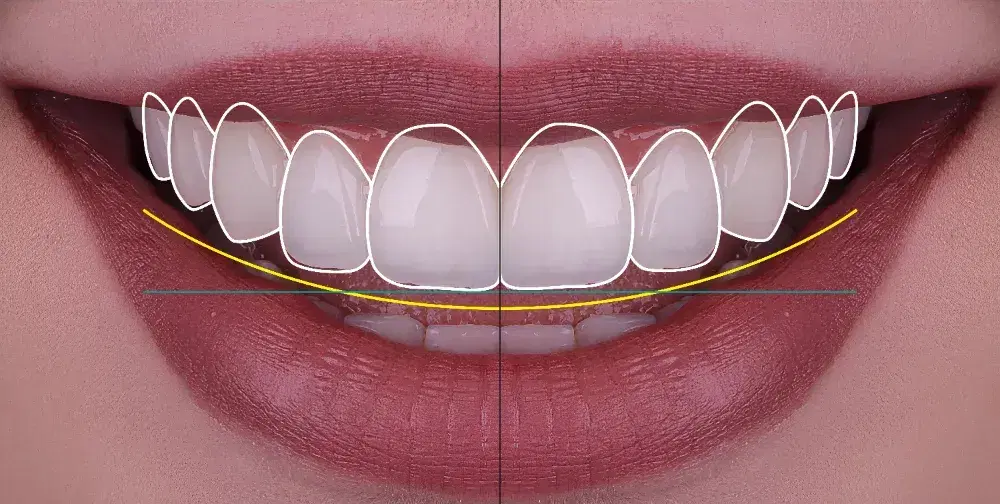
What Is Digital Smile Design?
Digital smile design is a modern dental planning method that uses photographs, videos, scans, and specialized software to create a visual model of a patient’s future smile. The dentist studies the relationship between the teeth, gums, lips, and face, then designs a smile that looks natural rather than generic.
Traditional cosmetic dentistry often depends on verbal explanations, plaster models, and the dentist’s artistic eye. Those still matter, but digital planning adds another layer of precision. It allows the dental team to map tooth proportions, analyze symmetry, test different shapes, and plan treatment steps with a clearer direction.
This process can support many treatments, including veneers, crowns, teeth whitening, gum contouring, orthodontics, dental bonding, implants, and full smile makeovers. It does not replace clinical skill. Instead, it gives the dentist a stronger planning tool and helps patients understand the proposed treatment before any irreversible step takes place.
A More Personalized Smile Plan
One of the most important benefits of digital smile design is personalization. A beautiful smile should fit the person, not just follow a standard template. Tooth shape, smile width, gum line, facial proportions, age, skin tone, and personality all influence the final look.
A digital workflow helps the dentist design a smile that works with the face. For example, longer teeth may create a youthful effect, while softer edges may create a more natural and relaxed appearance. A wider smile may improve facial harmony, but only if it suits the lips and bite. Digital planning makes these decisions more intentional.
Patients often arrive with inspiration photos or a clear idea of the smile they want. The dentist can use digital smile design to show what may work, what may look unnatural, and what may require additional treatment. This balance between preference and clinical reality creates a more satisfying result.
Better Communication Between Patient and Dentist
Cosmetic dental treatment can feel stressful when the patient cannot picture the outcome. Words such as “brighter,” “straighter,” or “more balanced” can mean different things to different people. Digital smile design reduces confusion by turning ideas into images.
The dentist can show possible changes on a screen and explain why certain details matter. Patients can see how tooth length affects the smile line, how gum symmetry changes facial balance, or how shade selection influences natural appearance. This visual discussion often makes treatment decisions easier.
Better communication also helps prevent disappointment. When patients understand the plan early, they can express concerns before the treatment starts. They can ask for a softer look, a brighter shade, a more subtle change, or a different tooth shape. This conversation creates a shared vision between the patient and the dental team.
Previewing the Smile Before Treatment
One of the most appealing digital smile design benefits is the ability to preview the expected smile. In many cases, the dentist can create a digital simulation or a physical mock-up. A mock-up lets the patient see a temporary version of the proposed smile in the mouth before final work begins.
This preview can be especially valuable for veneers, crowns, and full smile makeovers. These treatments involve important decisions, and patients naturally want reassurance. Seeing the planned result helps reduce uncertainty and supports a more comfortable decision-making process.
The preview also gives the dentist useful feedback. Speech, lip movement, smile dynamics, and facial expression can reveal details that a flat image may not show. If something looks too bold, too long, or too artificial, the dentist can refine the design before creating final restorations.
More Predictable Treatment Results
Digital smile design can improve predictability because it starts with a clear plan. The dentist does not simply prepare teeth and hope the final result matches the original idea. Instead, the design guides each stage of treatment.
This planning can help the dentist decide whether the patient needs whitening before veneers, gum reshaping before crowns, orthodontic movement before bonding, or implant planning before a full restoration. It can also help the dental laboratory create restorations that match the approved design more closely.
Predictability matters because cosmetic dentistry involves both beauty and function. A smile may look attractive in a photo, but it also needs to support proper biting, comfortable speech, and long-term oral health. Digital planning helps the dental team connect aesthetic goals with practical dental requirements.
Natural-Looking Aesthetic Improvements
Many patients want a better smile, but they do not want an obvious “done” look. Digital smile design supports natural aesthetics by focusing on balance. The goal is not always perfect symmetry or extremely white teeth. In many cases, the most attractive smile includes subtle character and realistic proportions.
The dentist can adjust details such as tooth width, edge shape, incisal line, gum contour, and shade. Small changes often make a big difference. For example, slightly reshaping worn edges may make the smile look fresher, while correcting uneven gum levels may create a cleaner appearance.
Digital planning also helps avoid over-treatment. Sometimes a patient may not need ten veneers to improve the smile. Whitening, bonding, or minor alignment may create the desired result with a more conservative approach. A careful digital analysis can reveal the simplest path to improvement.
Stronger Confidence in Treatment Decisions
Cosmetic dentistry can feel like a major investment. Patients want to feel sure before moving forward. Digital smile design helps build that confidence because it makes the process more transparent.
Instead of agreeing to treatment based only on a description, patients can review the planned changes and understand the reasons behind them. They can compare options, discuss limitations, and choose a direction that feels right. This sense of involvement often makes the experience more comfortable.
Confidence also grows when the patient understands the treatment sequence. A smile makeover may involve several steps, and digital planning can show how each stage contributes to the final result. When patients know what to expect, they often feel more relaxed throughout the journey.
A Useful Tool for Complex Smile Makeovers
Digital smile design becomes especially helpful in complex cases. Some patients need more than one treatment to achieve a balanced result. For example, worn teeth, missing teeth, uneven gums, crowding, discoloration, and bite issues may all appear in the same smile.
Without a clear plan, complex treatment can become fragmented. One tooth may look better, but the overall smile may still lack harmony. Digital planning helps the dentist organize the case from the beginning. It allows the dental team to decide which problems need priority and which treatments should happen first.
This approach can also improve collaboration between specialists. A cosmetic dentist, orthodontist, periodontist, implant dentist, and dental technician may all contribute to the final result. Digital records and visual plans make communication easier across the team.
Saving Time by Planning Smarter
Digital smile design may also save time during the treatment process. Better planning can reduce unnecessary adjustments, repeated appointments, and misunderstandings. When the dentist, patient, and laboratory work from the same visual guide, the workflow becomes more organized.
This does not mean every case becomes fast. High-quality dentistry still requires careful steps, proper healing time, and detailed finishing. However, a clear plan can make appointments more efficient and reduce last-minute changes.
Patients also save mental energy. Instead of wondering what the final smile might look like, they can follow a more structured path. That clarity can make the whole experience feel less overwhelming.
Supporting Both Beauty and Function
A smile makeover should never focus only on appearance. Teeth must also work well. The bite, jaw movement, gum health, enamel condition, and restoration strength all affect the success of treatment.
Digital smile design helps connect aesthetics with function. The dentist can study how the teeth show during speech, how the lips move during smiling, and how the planned restorations may fit the bite. This broader view supports a healthier and more durable outcome.
For example, short or worn teeth may signal grinding. Uneven edges may suggest bite imbalance. Gum recession may affect veneer planning. Digital design does not solve these issues alone, but it helps the dentist see them clearly and include them in the treatment plan.
Is Digital Smile Design Right for Every Patient?
Digital smile design can benefit many patients, but it is not necessary for every dental concern. A small filling or simple cleaning does not usually require a full smile design process. However, patients considering visible cosmetic changes may find it extremely helpful.
It may suit people who feel unhappy with tooth shape, discoloration, gaps, crowding, worn edges, uneven gums, or an unbalanced smile. It may also help patients who feel nervous about cosmetic dentistry because they want to understand the outcome before treatment begins.
A proper dental examination still comes first. The dentist must check oral health, gum condition, tooth structure, bite function, and any active disease. A beautiful digital plan only works when the foundation is healthy enough to support it.
Frequently Asked Questions
What are the main digital smile design benefits?
The main benefits include personalized planning, better communication, smile previews, improved treatment predictability, and more natural-looking results. It also helps patients understand their options before treatment begins.
Does digital smile design show the exact final result?
It can show a close visual plan, but it cannot guarantee an identical result in every case. Tooth structure, gum health, bite, materials, and clinical limitations can affect the final outcome.
Is digital smile design only for veneers?
No. Dentists can use it for veneers, crowns, bonding, whitening, orthodontics, implants, gum contouring, and complete smile makeovers. The process helps plan many types of aesthetic dental treatment.
Can digital smile design make teeth look natural?
Yes, when the dentist uses it carefully. The design can match tooth shape, color, length, and proportion to the patient’s face. Natural results depend on planning, materials, and clinical skill.
Does digital smile design hurt?
The design process itself does not usually hurt because it mainly involves photos, scans, videos, and planning. Any later treatment, such as veneers or gum contouring, may require separate clinical steps.
How long does the process take?
The planning stage may take one or more appointments, depending on the case. Complex smile makeovers usually need more time because the dentist must evaluate aesthetics, function, and oral health together.
Is digital smile design worth it?
It can be worth it for patients who want cosmetic dental changes and prefer to see a planned result before starting. It may reduce uncertainty and support better decision-making.
Can patients request changes to the digital smile design?
Yes. One of the key advantages is the ability to discuss and refine the design before final treatment. Patients can share preferences about shape, shade, length, and overall style.
Who is a good candidate for digital smile design?
Good candidates include people with healthy or treatable oral conditions who want to improve smile appearance. The dentist must first check teeth, gums, bite, and overall dental health before creating a final plan.