
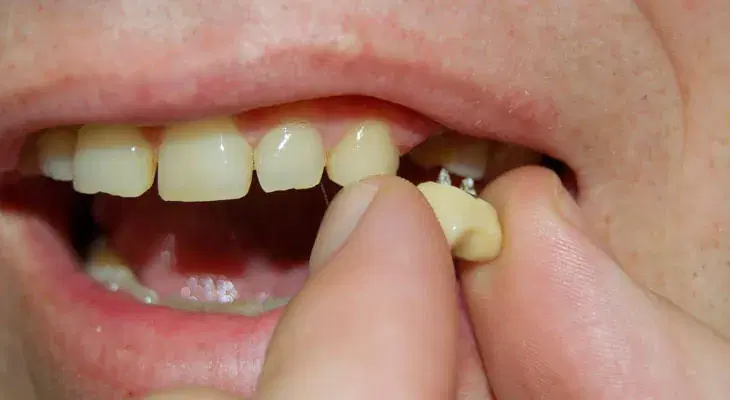
A dental implant fall out situation can feel alarming, especially when the implant once felt secure and comfortable. Although dental implants have a strong reputation for stability, problems can still happen when the bone, gum tissue, bite force, or implant components stop working together properly. A dental implant fall out case does not always mean the entire implant post has failed. In many situations, the visible crown, abutment, or screw becomes loose while the implant fixture remains in the jawbone. Understanding the difference matters because each problem needs a different solution. With early attention, a dentist can often protect the implant, reduce discomfort, and prevent a minor issue from becoming a more serious dental emergency.
Understanding What a Dental Implant Really Is?
A dental implant is not a single piece. It usually includes three main parts: the implant post, the abutment, and the crown. The implant post sits inside the jawbone and acts like an artificial tooth root. The abutment connects the post to the crown. The crown is the visible tooth-shaped restoration used for chewing and smiling.
When people say an implant “fell out,” they may describe several different problems. The crown may come off. The abutment screw may loosen. The healing cap may detach during the early stage. In more serious cases, the implant post itself may lose support and move out of the bone.
This distinction affects treatment. A loose crown may need a simple repair, cleaning, or screw tightening. A failed implant post usually requires removal, healing time, and a new treatment plan. A dentist must examine the area before deciding what has actually happened.
Can an Implant Fall Out Completely?
Yes, a dental implant can fall out completely, but this does not happen often when planning, surgery, healing, and maintenance go well. A complete implant failure usually means the implant post did not bond with the bone or later lost bone support.
The bonding process is called osseointegration. During this stage, the jawbone grows around the implant surface and holds it firmly in place. If this process fails, the implant may feel loose soon after placement. Early failure may happen before the final crown is attached.
Late failure can happen months or years later. In these cases, the implant may once have been stable, but infection, bone loss, excessive bite pressure, gum inflammation, smoking, uncontrolled health conditions, or trauma may weaken the support around it.
A complete implant fall out requires professional care. The area needs examination, cleaning, and sometimes imaging. The dentist may also need to assess bone quality before discussing replacement.
Implant Crown, Abutment, or Implant Post: What Fell Out?
Many patients panic when a restoration becomes loose, but not every loose implant restoration means the implant has failed. The easiest way to understand the problem is to identify which part moved.
If only the crown came off, the implant post may still be healthy. The dentist may clean the crown, check the fit, and reattach or remake it. If the abutment screw loosened, the crown may feel wobbly or make a clicking sound when chewing. The dentist may access the screw, tighten it to the correct level, and check the bite.
If the implant post moves, the situation becomes more serious. A healthy implant post should not move. Natural teeth have tiny movement because they sit in a ligament. Dental implants do not. Any movement from the implant fixture itself suggests loss of integration or loss of bone support.
Only a clinical exam can confirm the difference. Guessing at home can delay the right treatment.
Common Reasons a Dental Implant May Become Loose
Several factors can make an implant loose or unstable. Some involve biology, while others involve mechanics.
Poor osseointegration is one major cause. If the bone does not attach firmly to the implant, stability never develops properly. This may relate to low bone density, surgical trauma, infection, excessive movement during healing, smoking, or medical conditions that affect healing.
Peri-implantitis is another important cause. This condition involves inflammation and infection around the implant. It can damage gum tissue and lead to bone loss. As bone support decreases, the implant may become loose.
Excessive bite force can also create problems. Teeth grinding, clenching, an uneven bite, or a restoration that receives too much pressure can overload the implant system. Over time, this pressure may loosen screws, damage components, or affect the surrounding bone.
Poor oral hygiene increases risk because plaque and bacteria can collect around the implant. Implants cannot decay like natural teeth, but the surrounding tissues can still become inflamed or infected.
Early Implant Failure vs. Late Implant Failure
Dentists usually separate implant failure into early and late categories. Early failure happens before the implant fully integrates with the jawbone. It may appear during the healing period or shortly after placement. Signs may include persistent pain, swelling, infection, or implant movement.
Late failure happens after the implant has already functioned for some time. A person may chew comfortably for months or years before noticing a change. Late problems often involve peri-implantitis, bone loss, bite overload, loose prosthetic parts, or changes in general health.
The timing helps the dentist understand the cause. Early failure often points toward healing or integration problems. Late failure often points toward maintenance, infection, force, or long-term tissue changes.
Both situations require prompt care. Waiting rarely improves implant stability. A loose implant usually becomes harder to save as more bone support disappears.
Warning Signs That Need Dental Attention
A stable implant should feel comfortable, firm, and natural during chewing. Warning signs should never be ignored. Common symptoms include movement, pain when biting, swelling around the gum, bleeding, pus, a bad taste, gum recession, pressure, or a clicking feeling near the crown.
A loose crown may not cause severe pain, but it still needs attention. Food and bacteria can enter spaces around loose components. This can irritate the tissue and damage the internal connection.
Pain does not always appear in implant problems. Some patients develop bone loss slowly without strong discomfort. Regular dental checkups help catch these changes before the implant becomes unstable.
Any visible metal exposure, sudden change in bite, or sensation that the implant has shifted should lead to an appointment. Fast treatment gives the dentist more options.
What to Do If an Implant Feels Loose
A loose implant or implant crown should not be pushed, twisted, or tested repeatedly. Touching it often can irritate the area and worsen movement. Hard foods should be avoided on that side until the dentist checks it.
If a crown, screw, or small component comes out, it should be kept in a clean container and brought to the appointment. The dentist may be able to reuse it, depending on its condition.
The area should stay clean, but aggressive brushing around a painful or swollen implant can cause more irritation. Gentle cleaning and careful rinsing may help until professional care takes place.
Pain, swelling, fever, pus, or facial swelling may signal infection. These symptoms need urgent dental attention. Home remedies cannot restore a failing implant or tighten an internal screw safely.
How Dentists Treat a Loose Dental Implant
Treatment depends on the cause. If the crown has detached but the implant remains stable, the dentist may re-cement or re-screw the crown. If the abutment screw has loosened, the dentist may tighten or replace the screw and adjust the bite.
If inflammation affects the gum tissue, the dentist may clean the implant surface, remove irritants, improve home-care instructions, and monitor healing. In more advanced peri-implant disease, deeper treatment may be necessary.
If the implant post has lost integration or severe bone support, the dentist may need to remove it. After removal, the site often needs time to heal. Some cases require bone grafting before a new implant can be placed. The replacement plan depends on bone volume, gum health, infection control, and overall oral condition.
A failed implant does not always mean another implant is impossible. Many patients receive a new implant successfully after the cause of failure has been corrected.
Can a Fallen Implant Be Put Back In?
A dental implant post that has fallen out cannot usually be placed back into the socket like a temporary crown. Once the implant loses integration, the surface may be contaminated, and the bone site may need cleaning and healing.
The dentist must evaluate the area before deciding the next step. If infection caused the failure, that infection needs control first. If the bone has shrunk or suffered damage, grafting may be required. If bite overload caused the problem, the dentist must redesign the restoration or manage grinding before replacing the implant.
Reusing the same fallen implant post is rarely the right solution. A new implant, new site preparation, and a healthier foundation usually offer a safer path.
How to Reduce the Risk of Implant Failure
Good implant care starts before surgery and continues for years. A careful treatment plan should evaluate bone quality, gum health, bite force, medical history, and habits such as smoking or grinding. Proper planning improves the chance of long-term stability.
After placement, healing instructions matter. The implant needs protection from excessive pressure during integration. Chewing hard foods too early or missing follow-up visits can create unnecessary risk.
Long-term care includes daily cleaning, professional maintenance, and bite checks. Dental implants need regular monitoring even when they feel fine. A dentist can detect early inflammation, screw loosening, bone changes, or bite problems before symptoms become obvious.
Patients with grinding may need a night guard. Patients with gum disease history may need more frequent cleanings. Patients with medical conditions should keep those conditions controlled because general health affects oral healing.
When an Implant Problem Becomes an Emergency?
Not every loose crown is an emergency, but some symptoms need immediate attention. Severe pain, spreading swelling, fever, pus, heavy bleeding, difficulty opening the mouth, or swelling that affects the face or neck should be treated urgently.
An implant that suddenly becomes very mobile also needs fast care. Movement can damage the surrounding bone and tissue. The longer the implant moves, the more complicated the repair may become.
A swallowed crown or component should also be taken seriously. Small dental parts may pass naturally, but medical advice may be needed, especially if breathing difficulty, coughing, chest discomfort, or throat pain occurs.
Fast action protects both oral health and general well-being.
Frequently Asked Questions
Can an implant fall out years later?
Yes, an implant can fall out years later if it loses bone support or develops serious infection around it. Late failure may also relate to excessive bite force, gum inflammation, medical changes, or poor maintenance.
Is a loose dental implant always a failure?
No. Sometimes only the crown, abutment, or screw has loosened. The implant post may still remain stable in the bone. A dentist must examine the area to confirm the real problem.
What does a failing implant feel like?
A failing implant may feel loose, painful, swollen, or uncomfortable when chewing. Some patients notice bleeding, pus, gum recession, a bad taste, or a clicking sensation near the restoration.
Can a loose implant crown be fixed?
Yes, a loose implant crown can often be fixed if the implant post remains stable. The dentist may tighten a screw, replace a component, adjust the bite, or reattach the crown.
Why would an implant post fall out?
An implant post may fall out because of failed osseointegration, infection, bone loss, excessive bite pressure, smoking, poor oral hygiene, trauma, or health conditions that affect healing.
Should a patient keep a fallen implant part?
Yes, any fallen crown, screw, healing cap, or restoration should be saved and brought to the dental appointment. The dentist can inspect it and decide whether it can be reused.
Can infection make an implant fall out?
Yes. Infection around an implant can damage gum tissue and bone. As support weakens, the implant may become loose and eventually fail.
Is implant failure painful?
Implant failure can cause pain, but not always. Some cases develop slowly with mild symptoms. Regular checkups help detect problems before severe discomfort appears.
Can another implant be placed after one falls out?
In many cases, another implant can be placed after healing and proper treatment. The dentist may need to remove infection, rebuild bone, adjust the bite, or improve gum health first.